



Annual
Subscribe for one year to access all your favourite downloads
500 / year


Choosing a book can feel like setting sail on an uncharted sea. Thankfully, we have a compass: the book review. More than just ‘thumbs up’ or ‘thumbs down,’ reviews are intricate maps, offering insights into a book’s world, characters, and themes. They’re essential tools for readers, authors, and the entire publishing ecosystem.
Imagine you’re considering a historical fiction novel about the French Revolution. A good review won’t just say, “It’s good!” It will delve into the accuracy of the historical details, the author’s portrayal of Marie Antoinette, and the overall impact of the story. It’s like a detailed weather report for your reading journey, helping you prepare for the emotional and intellectual climate.
For authors, a well-placed review can be a career-defining moment. Think of the impact a glowing review in The New York Times had on the initial success of Madeline Miller’s “Circe.” It propelled the book to bestseller lists and cemented Miller’s place as a prominent voice in contemporary literature. Conversely, a scathing review can be a harsh blow, but it can also serve as a valuable learning experience, prompting authors to refine their craft. Publishers use reviews to gauge public interest and tailor their marketing strategies. A positive review might lead to a larger print run or a more aggressive advertising campaign.
A comprehensive book review typically incorporates these core components:

Book reviews haven’t always been accessible online. Historically, they were the domain of newspapers, literary magazines, and academic journals. These reviews often offered in-depth analysis from experts in the field. Now, the internet has democratized the process, empowering anyone with an opinion to share their thoughts.
Platforms like Goodreads, Amazon, and independent book blogs have created a vast and interconnected community of readers and reviewers.
As technology continues to advance, book reviews will undoubtedly evolve. We may see more video reviews, interactive book clubs, and AI-powered recommendation systems. Imagine an AI that can analyze your past reading habits and suggest books you’ll love, based on the reviews of other readers with similar tastes.
Despite these changes, the core purpose of book reviews will remain constant: to guide readers through the vast literary landscape, helping them discover new worlds and engage with stories that resonate with them.

If you want a practical next step, you can also check out Heal your past, design your future.
If you want a practical next step, you can also check out Become an Ultimate Master of your life.

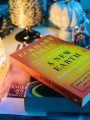 The Power of Now Review: Lessons from Eckhart Tolle’s ClassicGeneral
 The Power of Now Review: Lessons on Presence & Ending SufferingGeneral
 Book Review: The Power of Now Summary & Key LessonsGeneral
 The Power of Now Review: Lessons on Presence & Inner PeaceGeneral
 The Self-Help De-Influence Movement: Beyond Toxic PositivityGeneral
 Kryon: Ancient Prophecy & Humanity’s Next Evolutionary StepGeneralThe Power of Now Review: Lessons from Eckhart Tolle’s ClassicGeneralThe Power of Now Review: Lessons on Presence & Ending SufferingGeneralBook Review: The Power of Now Summary & Key LessonsGeneralThe Power of Now Review: Lessons on Presence & Inner PeaceGeneral
Sign in without leaving this document. You will return here automatically.

The Ultimate Masters
https://www.ultimatemasters.org
Subscribe for one year to access all your favourite downloads
500 / year
Unlimited downloads forever
Unlimited downloads
Subscribe for one to access hundreds of downloads.
50 / month
Subscribe quarterly/per term
75 / month
The Ultimate Masters
https://www.ultimatemasters.org
Continue directly to this store’s secure WooCommerce checkout.
Earn direct and team commission with personal links, campaign creatives, discount coupons and transparent reporting.
0 responses on "The Unseen Influence: How Book Reviews Shape the Literary Landscape"