



Annual
Subscribe for one year to access all your favourite downloads
500 / year
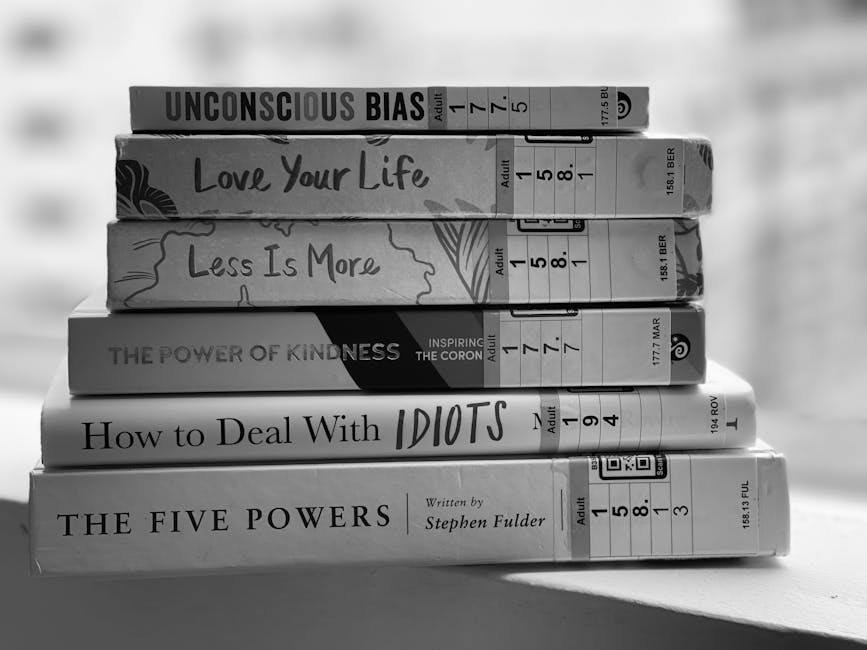

We live in an era of unprecedented information overload. In the book world, this translates to a deluge of new releases vying for our attention. Amidst the noise, thoughtful book reviews act as essential navigational tools, helping readers cut through the hype and discover truly worthwhile reads. They’re the literary equivalent of a seasoned guide, leading us through unfamiliar territory.
Marketing campaigns and social media buzz can often propel books to bestseller status, regardless of their actual literary merit. Consider, for example, a recent young adult novel that went viral on TikTok but received lukewarm reviews from established literary critics. The reviews, in this case, offered a counterpoint to the hype, highlighting weaknesses in plot and character development that were overlooked by the online frenzy.
In contrast, well-crafted book reviews provide a crucial layer of critical engagement. They delve beneath the surface, examining the author’s intentions, the effectiveness of their execution, and the book’s overall contribution to the literary landscape. They offer a reasoned assessment, not just a superficial endorsement.
What distinguishes a truly insightful book review from a mere opinion piece? It’s about moving beyond personal preference and engaging with the text on a deeper, more analytical level. A strong review is not just a summary; it’s an interpretation and evaluation.

The digital revolution has democratized access to literary criticism, empowering a wider range of voices to participate in the conversation. While traditional print publications still hold sway, online platforms like Goodreads, blogs, and YouTube have become important hubs for book reviews.
This proliferation of platforms presents both challenges and opportunities. The sheer volume of reviews can make it difficult to discern trustworthy sources from unreliable ones. However, it also fosters a more diverse and inclusive literary ecosystem, allowing for a wider range of perspectives and interpretations.
To navigate this evolving landscape, readers must cultivate critical thinking skills and learn to evaluate reviews with a discerning eye. Consider the reviewer’s background, potential biases, and overall credibility. Seek out multiple perspectives to gain a more comprehensive understanding of the book.
Book reviews have a tangible impact on authors and publishers. Positive reviews can generate buzz, drive sales, and elevate an author’s profile. Conversely, negative reviews can have a detrimental effect, hindering sales and damaging an author’s reputation.

While sales figures are undoubtedly important, reviews also provide valuable feedback for authors. Constructive criticism can help authors identify areas for improvement and refine their craft. Reviews can also spark important dialogues about the themes and issues explored in the book, enriching the reading experience for both authors and readers.
In an age of fleeting attention spans and algorithmic recommendations, thoughtful book reviews are more vital than ever. They provide readers with essential guidance, offer authors valuable feedback, and contribute to a richer and more vibrant literary culture. By supporting and valuing the art of critical engagement, we can ensure that the best books rise to the top and that meaningful conversations continue to flourish.
If you want a practical next step, you can also check out Heal your past, design your future.
If you want a practical next step, you can also check out Become an Ultimate Master of your life.

 The Emotional Engine of BookTok: How Tears Built an EmpireGeneral
 The BookTok Effect: Why Crying on Camera Sells More Books Than a ReviewGeneral
 The Soul of BookTok: Identity, Emotion, and CommunityGeneral
 BookTok’s Power: How It Rewrites Publishing & Reader PsychologyGeneral
 The Emotional Engine of BookTok: Why We Cry & What It SellsGeneral
 The Emotional Engine of BookTok: Why Crying Sells BooksGeneral
 The BookTok Effect: How TikTok Redefined Reading CultureGeneral
 The Emotional Engine of BookTok: Why We Cry, Buy, and ConnectGeneral
 The Emotional Algorithm: A BookTok Review of Our Inner WorldsGeneral
 BookTok: How a TikTok Hashtag Rewrote the Rules of PublishingGeneralThe Emotional Engine of BookTok: How Tears Built an EmpireGeneralThe BookTok Effect: Why Crying on Camera Sells More Books Than a ReviewGeneralThe Soul of BookTok: Identity, Emotion, and CommunityGeneralBookTok’s Power: How It Rewrites Publishing & Reader PsychologyGeneralThe Emotional Engine of BookTok: Why We Cry & What It SellsGeneral
Sign in without leaving this document. You will return here automatically.

The Ultimate Masters
https://www.ultimatemasters.org
Subscribe for one year to access all your favourite downloads
500 / year
Unlimited downloads forever
Unlimited downloads
Subscribe for one to access hundreds of downloads.
50 / month
Subscribe quarterly/per term
75 / month
The Ultimate Masters
https://www.ultimatemasters.org
Continue directly to this store’s secure WooCommerce checkout.
Earn direct and team commission with personal links, campaign creatives, discount coupons and transparent reporting.
0 responses on "The Unseen Labor of Book Reviews: Why They Matter More Than Ever"