



Annual
Subscribe for one year to access all your favourite downloads
500 / year
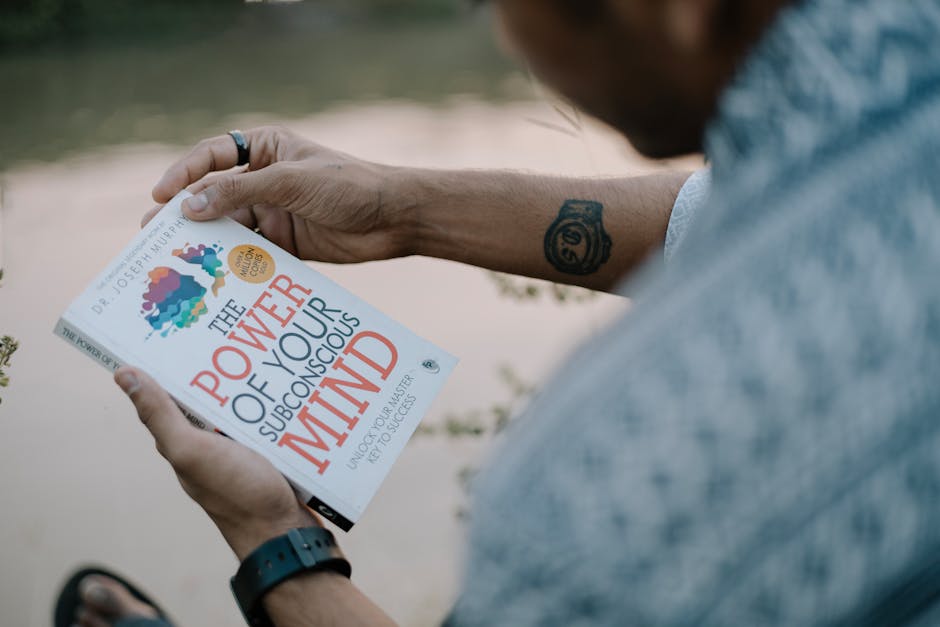

We often think of book reviews as simple ratings – a thumbs up or down. But what if I told you that writing book reviews is a powerful tool for unlocking your potential, improving your thinking, and even changing your life? It’s not just about judging a book; it’s about using the book as a springboard for personal growth.
Most of us read passively, absorbing information without truly engaging with it. Writing a book review forces you to become an active participant. You have to analyze the author’s arguments, evaluate their evidence, and connect the ideas to your own experiences. This active engagement leads to deeper understanding and lasting learning.
Imagine reading a biography of Marie Curie. Instead of just learning about her scientific discoveries, you could analyze her perseverance in the face of adversity, her dedication to her work, and the societal obstacles she overcame. By writing a review, you’re not just summarizing her life; you’re extracting valuable lessons about resilience, passion, and the pursuit of knowledge. You might even be inspired to tackle a challenging project in your own life with renewed determination. Similarly, reading about Stoicism can inspire actionable change by learning to manage emotions and focusing on what you can control.
Writing a book review that benefits both you and your readers requires a structured approach. It’s a process of deliberate engagement and thoughtful articulation.
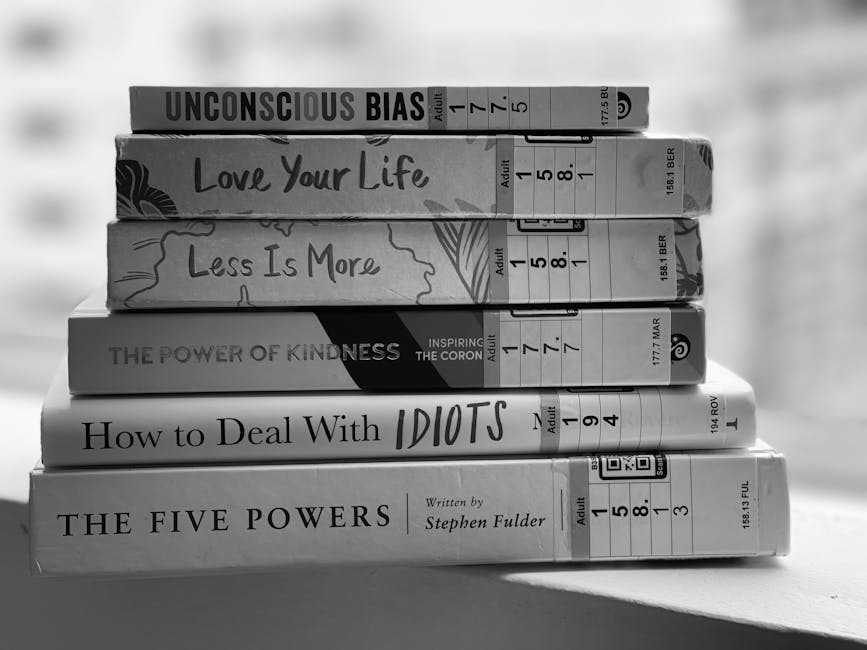
Don’t just skim the surface. Read with a pen in hand, highlighting key passages and jotting down your thoughts. Ask yourself: What are the author’s main points? Do I agree with them? How does this relate to my own life? Your notes will become the building blocks of your review.
Once you’ve finished reading, step back and identify the book’s central themes. What is the author trying to say? What are the underlying messages? Understanding the core themes is essential for crafting a meaningful review.
A well-structured review typically includes an introduction, a summary of the main points, a critical analysis, and a conclusion. Use headings and subheadings to guide your readers and make your review easy to navigate. Think of it as building a compelling argument.
Now it’s time to put your thoughts into words. Be clear, concise, and specific. Support your opinions with evidence from the book. Don’t be afraid to share your own perspective, but do so respectfully and thoughtfully. Revise your review carefully to ensure that it is accurate, well-organized, and free of errors.

The benefits of writing book reviews extend far beyond the immediate task. This practice cultivates critical thinking, improves communication skills, and deepens your understanding of the world.
Book reviews are more than just summaries or ratings. They are powerful tools for personal growth, intellectual exploration, and self-discovery. By embracing the practice of reviewing, you can unlock your potential and transform the way you think about the world.
If you want a practical next step, you can also check out Heal your past, design your future.
If you want a practical next step, you can also check out Become an Ultimate Master of your life.

 Equinox Shift: A Channeled Guide to Global Consciousness ChangeGeneral
 Autumn Equinox: A Channeled Message for Humanity’s Great RebalancingGeneral
 The Great Awakening’s True Purpose | Sara Landon Channels The CouncilGeneral
 Channeled Predictions for the Next 20 Years with Lee HarrisGeneral
 Kuthumi’s 2027 Vision: How to Navigate Humanity’s Great ShiftGeneral
 Humanity’s 2026 Leap: A Channeled Message Breakdown & GuideGeneral
 Navigating the 2027 Shift: A Guide to Personal ConsciousnessGeneral
 The 2027 Shift: A Channeled Guide to Humanity’s Energetic ShiftGeneral
 Kuthumi’s 2027 Prophecy: Humanity’s Great Awakening (Video)General
 Navigating the 2027 Energetic Shift: Kuthumi’s Guide to What’s NextGeneralEquinox Shift: A Channeled Guide to Global Consciousness ChangeGeneralAutumn Equinox: A Channeled Message for Humanity’s Great RebalancingGeneralThe Great Awakening’s True Purpose | Sara Landon Channels The CouncilGeneralChanneled Predictions for the Next 20 Years with Lee HarrisGeneralKuthumi’s 2027 Vision: How to Navigate Humanity’s Great ShiftGeneral
Sign in without leaving this document. You will return here automatically.

The Ultimate Masters
https://www.ultimatemasters.org
Subscribe for one year to access all your favourite downloads
500 / year
Unlimited downloads forever
Unlimited downloads
Subscribe for one to access hundreds of downloads.
50 / month
Subscribe quarterly/per term
75 / month
The Ultimate Masters
https://www.ultimatemasters.org
Continue directly to this store’s secure WooCommerce checkout.
Earn direct and team commission with personal links, campaign creatives, discount coupons and transparent reporting.
0 responses on "The Untapped Power of Book Reviews: A Guide to Cultivating Deeper Understanding and Personal Growth"