


Annual
Subscribe for one year to access all your favourite downloads
500 / year
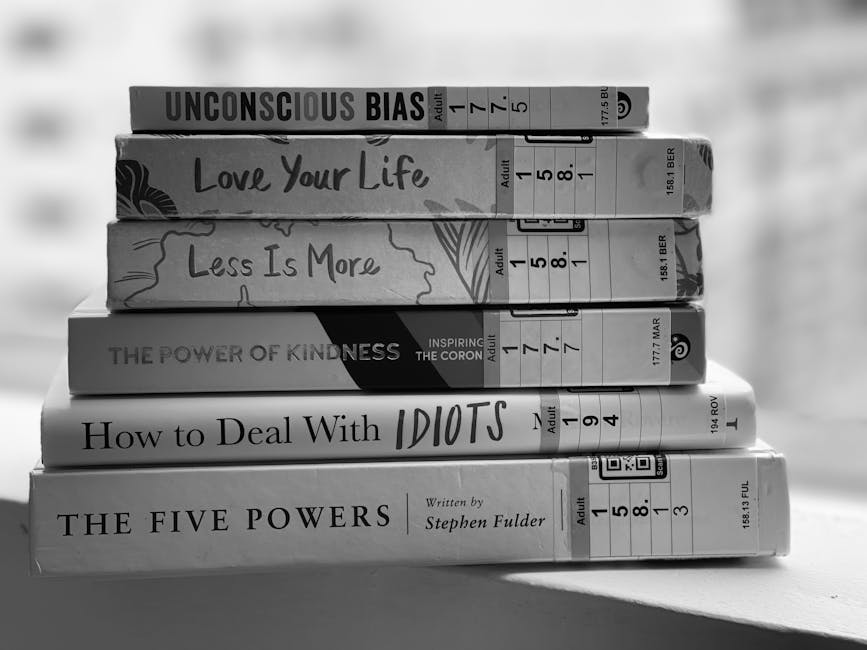

In today’s literary landscape, positive book reviews often dominate the conversation, creating an echo chamber of praise. But are we truly benefiting from this constant stream of approval? The truth is, negative book reviews, often overlooked, hold immense value for both readers and authors. They offer a counterbalance, a critical lens through which to examine a book’s strengths and weaknesses, providing a more nuanced understanding than simple accolades ever could.
Imagine a courtroom where only the prosecution presents its case. Would justice truly be served? Similarly, relying solely on positive reviews creates a biased perspective, potentially masking significant flaws. Negative reviews act as the defense, challenging assumptions and encouraging deeper engagement with the text. They force us to confront uncomfortable truths and consider alternative interpretations, leading to more informed decisions about our reading choices. Think of it like choosing a restaurant – would you only rely on reviews that say “Amazing!” or would you also want to know if the service is slow or the portions are small?
Furthermore, critical reviews can be invaluable filters, helping readers identify books that genuinely align with their preferences. For example, a reader who dislikes excessive violence might appreciate a negative review that highlights graphic content, even if the reviewer praises other aspects of the book. This targeted information empowers readers to make discerning choices, ensuring a more satisfying and enriching reading experience. Time is precious; negative reviews help us spend it wisely.
For authors, encountering negative reviews can be a painful experience, akin to having their creative offspring scrutinized under a harsh spotlight. However, these critiques, when approached with an open mind, can be transformative catalysts for growth. Constructive criticism, even when delivered with a sting, provides invaluable insights into areas where their writing falls short, offering a roadmap for improvement.

Authors often develop a deep connection with their work, making it difficult to objectively assess its flaws. Negative reviews act as a mirror, reflecting back aspects of the writing that may be unclear, inconsistent, or simply unengaging. Consider an architect who becomes so enamored with their design that they fail to notice a structural flaw. An external critique can highlight this oversight, preventing potential disaster.
The true power of negative reviews lies in their ability to inform future projects. By carefully analyzing the criticisms and identifying recurring patterns, authors can proactively address their weaknesses and refine their craft. For example, if multiple reviewers criticize a writer’s tendency towards convoluted sentence structures, the author can focus on simplifying their prose in subsequent works, resulting in a more accessible and impactful writing style.
It’s crucial to remember that not all negative reviews are created equal. Some are insightful and well-supported, while others are simply malicious or poorly articulated. As a reader, developing the ability to discern between constructive criticism and mere negativity is essential for making informed decisions.
Before taking a negative review at face value, consider the reviewer’s background and potential biases. Are they known for their stringent standards or their aversion to a particular genre? Understanding their perspective can help you contextualize their comments and determine whether their criticisms are valid and relevant to your own preferences. For instance, a review from a die-hard science fiction fan might be overly critical of a fantasy novel, even if it possesses undeniable merit.
A credible negative review will provide specific examples from the book to support its claims. It will clearly articulate why the reviewer found certain aspects problematic, offering concrete evidence to back up their assertions. Be wary of reviews that rely on vague generalizations or unsubstantiated claims. A review that simply states “the characters are unlikeable” is far less helpful than one that explains why, providing specific examples of their actions or dialogue.
Avoid relying solely on a single negative review to make your decision about whether or not to read a book. Seek out a variety of opinions, both positive and negative, to gain a more comprehensive understanding. Ultimately, the decision of whether or not to embark on a literary journey is a personal one, and it should be guided by your own unique tastes and interests. Think of it as assembling a puzzle – each review contributes a piece to the overall picture, allowing you to make a more informed and satisfying choice.
If you want a practical next step, you can also check out Heal your past, design your future.
If you want a practical next step, you can also check out Become an Ultimate Master of your life.

 The Emotional Engine of BookTok: How Tears Built an EmpireGeneral
 The BookTok Effect: Why Crying on Camera Sells More Books Than a ReviewGeneral
 The Soul of BookTok: Identity, Emotion, and CommunityGeneral
 BookTok’s Power: How It Rewrites Publishing & Reader PsychologyGeneral
 The Emotional Engine of BookTok: Why We Cry & What It SellsGeneral
 The Emotional Engine of BookTok: Why Crying Sells BooksGeneral
 The BookTok Effect: How TikTok Redefined Reading CultureGeneral
 The Emotional Engine of BookTok: Why We Cry, Buy, and ConnectGeneral
 The Emotional Algorithm: A BookTok Review of Our Inner WorldsGeneral
 BookTok: How a TikTok Hashtag Rewrote the Rules of PublishingGeneralThe Emotional Engine of BookTok: How Tears Built an EmpireGeneralThe BookTok Effect: Why Crying on Camera Sells More Books Than a ReviewGeneralThe Soul of BookTok: Identity, Emotion, and CommunityGeneralBookTok’s Power: How It Rewrites Publishing & Reader PsychologyGeneralThe Emotional Engine of BookTok: Why We Cry & What It SellsGeneral
Sign in without leaving this document. You will return here automatically.

The Ultimate Masters
https://www.ultimatemasters.org
Subscribe for one year to access all your favourite downloads
500 / year
Unlimited downloads forever
Unlimited downloads
Subscribe for one to access hundreds of downloads.
50 / month
Subscribe quarterly/per term
75 / month
The Ultimate Masters
https://www.ultimatemasters.org
Continue directly to this store’s secure WooCommerce checkout.
Earn direct and team commission with personal links, campaign creatives, discount coupons and transparent reporting.
0 responses on "The Untapped Power of Negative Book Reviews: A Critical Perspective"