
Annual
Subscribe for one year to access all your favourite downloads
500 / year


Throughout history, individuals have emerged as guiding lights, offering unique perspectives on spirituality and the path to enlightenment. Their lives and teachings provide invaluable lessons for anyone seeking inner peace and a deeper connection to something larger than themselves. This article explores the journeys of three such figures, highlighting the core principles they championed and how their wisdom can be applied to our modern lives.
Hildegard wasn’t confined to the traditional role of a nun. She was a visionary who saw the world through a lens of interconnectedness. Imagine a world where music was considered medicine, and spiritual insights were intertwined with scientific observation. That was Hildegard’s world. She composed music that was believed to heal, wrote extensively on the medicinal properties of plants, and experienced profound visions that shaped her understanding of the universe. Think of her as an early advocate for holistic health, centuries ahead of her time.
How can we apply Hildegard’s wisdom today? Consider her emphasis on the healing power of nature. Instead of immediately reaching for a pill, explore herbal remedies or spend time in nature. Her music, often described as ethereal and uplifting, can be used as a tool for meditation and relaxation. Most importantly, embrace her belief in the interconnectedness of all things. Recognize that your physical, mental, and spiritual well-being are intertwined, and nurture each aspect accordingly. For example, when feeling stressed, try listening to calming music and taking a walk in nature.

Rumi’s life was transformed by his encounter with Shams Tabrizi. This relationship, both deeply loving and ultimately tragic, ignited Rumi’s poetic genius. Consider the intensity of his emotions – the joy of connection, the agony of separation. These experiences fueled his poetry, transforming personal pain into universal truths about love, loss, and the search for the divine. Think of Rumi’s poetry as a map, guiding you through the complexities of the human heart towards a deeper understanding of love’s transformative power.
Rumi’s message is simple yet profound: love is the key. But what does that mean in practice? It means embracing love in all its forms – self-love, love for others, and love for the divine. It means practicing compassion, forgiveness, and acceptance. When faced with conflict, try to approach the situation with empathy and understanding. When feeling lost or disconnected, turn to Rumi’s poetry for inspiration and guidance. Remember his famous quote: “Your task is not to seek for love, but merely to seek and find all the barriers within yourself that you have built against it.”
Thich Nhat Hanh dedicated his life to teaching the art of mindfulness. Imagine a life where you are fully present in each moment, free from the anxieties of the future and the regrets of the past. That was the life Thich Nhat Hanh advocated for. He taught that by paying attention to our breath, our thoughts, and our emotions, we can cultivate inner peace and reduce suffering. Think of mindfulness as a tool for reclaiming your life, one breath at a time.
Mindfulness is not just a practice for monks in monasteries; it’s a skill that can be integrated into every aspect of your daily life. Start by practicing mindful breathing for a few minutes each day. Pay attention to the sensations of your breath as it enters and leaves your body. When you find your mind wandering, gently redirect your attention back to your breath. You can also practice mindfulness while eating, walking, or even washing dishes. The key is to be fully present in whatever you are doing, without judgment or distraction. For example, before starting your workday, take a few deep breaths and set an intention to be present and focused throughout the day.

If you want a practical next step, you can also check out Heal your past, design your future.
If you want a practical next step, you can also check out Become an Ultimate Master of your life.
 Man’s Search for Meaning Review: Frankl’s Lessons on SufferingGeneral
 The Power of Now Review: Summary, Lessons & Core MessageGeneral
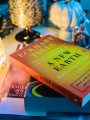 The Power of Now Review: Lessons from Eckhart Tolle’s GuideGeneral
 Book Review: The Prophet by Kahlil Gibran — Summary & LessonsGeneral
 The Biology of Belief Review: Key Lessons & SummaryGeneral
 Book Review: Breaking the Habit of Being Yourself by Dr. Joe DispenzaGeneral
 Book Review: Breaking the Habit of Being Yourself by Joe DispenzaGeneral
 The Power of Now Book Review: Lessons from Eckhart TolleGeneral
 The Power of Now Review: Lessons & Summary of Tolle’s ClassicGeneral
 The Power of Now Review: Summary, Lessons & Why It Still MattersGeneralMan’s Search for Meaning Review: Frankl’s Lessons on SufferingGeneralThe Power of Now Review: Summary, Lessons & Core MessageGeneralThe Power of Now Review: Lessons from Eckhart Tolle’s GuideGeneralBook Review: The Prophet by Kahlil Gibran — Summary & LessonsGeneralThe Biology of Belief Review: Key Lessons & SummaryGeneral
Sign in without leaving this document. You will return here automatically.

The Ultimate Masters
https://www.ultimatemasters.org
Subscribe for one year to access all your favourite downloads
500 / year
Unlimited downloads forever
Unlimited downloads
Subscribe for one to access hundreds of downloads.
50 / month
Subscribe quarterly/per term
75 / month
The Ultimate Masters
https://www.ultimatemasters.org
Continue directly to this store’s secure WooCommerce checkout.
Earn direct and team commission with personal links, campaign creatives, discount coupons and transparent reporting.
0 responses on "Top People Profiles: Spiritual Insights and Teachings for Divine Alignment"