



Annual
Subscribe for one year to access all your favourite downloads
500 / year


In our fast-paced digital age, the humble book review might seem like a relic of the past. However, it holds a surprising power: the ability to shape our literary understanding, spark engaging conversations, and foster vibrant communities around shared reading experiences. It’s not just about thumbs up or down; it’s about delving into a book’s deeper meaning, fueling discussions, and connecting readers with stories that resonate.
Too often, we reduce book reviews to simple scores or brief summaries. But the most impactful reviews go far beyond this superficial assessment. They offer insightful analysis, dissecting the author’s underlying themes, unique voice, and overall message. They carefully examine character development, narrative structure, and the book’s broader significance. Think of a well-crafted review as a guide, helping potential readers determine if a book aligns with their individual tastes and values. For example, a review might explore how a novel uses symbolism to represent societal issues, providing readers with a richer understanding of the author’s intent.
Consider how early reviews have impacted the careers of celebrated authors. Positive reviews can propel an unknown writer to fame, while negative feedback can encourage established authors to refine their craft. In essence, book reviews create a dynamic cycle of feedback, influencing not only reader choices but also the direction of literary movements. They champion emerging voices, advocate for diverse perspectives, and challenge conventional storytelling. Imagine a review that praises a debut novel for its innovative use of magical realism, inspiring other authors to experiment with similar techniques.
Beyond individual guidance, book reviews play a crucial role in building and maintaining literary communities. They provide a shared space for readers to connect, exchange ideas, and participate in meaningful discussions. This is especially apparent in online spaces, where reviews ignite conversations that extend far beyond the initial critique. Think of it as a literary galaxy, where readers orbit around shared interests and engage in vibrant discussions.
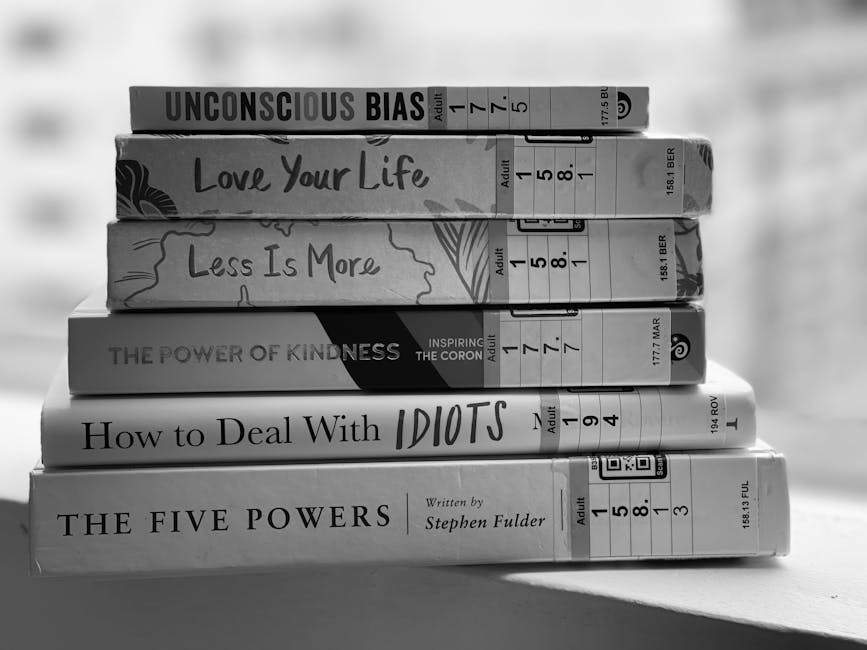
Online platforms like StoryGraph, dedicated review sites, and author newsletters have transformed the world of literary criticism. They’ve made the process more accessible, allowing anyone to share their thoughts and opinions on books. This has resulted in a wider range of voices and viewpoints being heard, enriching the overall literary conversation. Platforms such as:
The interactive nature of online reviews allows for a deeper connection between readers and authors. Authors can respond to reviews, clarify points, and participate in discussions about their work. This fosters a more collaborative and dynamic literary environment. It’s like a cosmic dance, where readers and authors interact and influence each other.
Writing a compelling book review is an art form in itself. It requires careful reading, critical thinking, and the ability to express one’s thoughts clearly and engagingly. A good review should not only summarize the plot but also analyze the themes, characters, and writing style. It’s about shining a light on the book’s unique qualities and offering a thoughtful perspective.
Here are some key elements to consider when writing a book review:

It’s crucial to approach book reviews with honesty and impartiality. Avoid personal attacks or biased opinions. Focus on the book’s strengths and weaknesses and offer constructive feedback. Remember, the goal is to help other readers make informed decisions, not to promote personal agendas.
As technology continues to advance, the future of book reviews will likely be shaped by new platforms and formats. Interactive reviews, virtual book clubs, and augmented reality experiences are already emerging. However, the fundamental principles of thoughtful analysis and community engagement will remain vital to the enduring power of book reviews. Imagine a future where readers can explore a book’s setting through virtual reality or participate in live discussions with the author via hologram.
In conclusion, book reviews are more than just critiques; they are essential components of a thriving literary universe. They guide readers, influence literary trends, and foster communities of passionate book lovers. By engaging with book reviews, we contribute to a richer and more meaningful literary experience for everyone.
If you want a practical next step, you can also check out Heal your past, design your future.
If you want a practical next step, you can also check out Become an Ultimate Master of your life.

 The Power of Now Review: Lessons from Eckhart Tolle’s ClassicGeneral
 The Power of Now Review: Lessons on Presence & Ending SufferingGeneral
 Book Review: The Power of Now Summary & Key LessonsGeneral
 The Power of Now Review: Lessons on Presence & Inner PeaceGeneral
 The Self-Help De-Influence Movement: Beyond Toxic PositivityGeneral
 Kryon: Ancient Prophecy & Humanity’s Next Evolutionary StepGeneralThe Power of Now Review: Lessons from Eckhart Tolle’s ClassicGeneralThe Power of Now Review: Lessons on Presence & Ending SufferingGeneralBook Review: The Power of Now Summary & Key LessonsGeneralThe Power of Now Review: Lessons on Presence & Inner PeaceGeneral
Sign in without leaving this document. You will return here automatically.

The Ultimate Masters
https://www.ultimatemasters.org
Subscribe for one year to access all your favourite downloads
500 / year
Unlimited downloads forever
Unlimited downloads
Subscribe for one to access hundreds of downloads.
50 / month
Subscribe quarterly/per term
75 / month
The Ultimate Masters
https://www.ultimatemasters.org
Continue directly to this store’s secure WooCommerce checkout.
Earn direct and team commission with personal links, campaign creatives, discount coupons and transparent reporting.
0 responses on "The Unseen Power of Book Reviews: Beyond Critique, Cultivating Community"