


Annual
Subscribe for one year to access all your favourite downloads
500 / year


In our hyper-connected world, where attention spans are shrinking and choices are limitless, book reviews have evolved from simple recommendations to powerful gatekeepers of literary success. They’re no longer confined to the hallowed pages of newspapers; they explode across social media, populate online retailers, and fuel vibrant discussions within online communities. This is the new reality of literary consumption, and book reviews are at its heart.
Forget the fleeting star rating; the true value of a book review lies in its ability to dissect a narrative, explore its themes, and connect it to the reader’s own experiences. Think of a review as a carefully crafted essay, delving into the author’s craft, the characters’ motivations, and the overall impact of the story. For example, a review of Madeline Miller’s ‘Circe’ might not just praise the prose but analyze its feminist themes and its fresh take on Greek mythology.
Imagine navigating a dense jungle without a map. That’s what it’s like approaching the vast world of books without the guidance of informed reviewers. They act as literary curators, highlighting hidden gems, warning against potential pitfalls, and placing books within a broader cultural context. A reviewer might connect a new dystopian novel to the works of Orwell or Huxley, providing readers with a richer understanding of its themes and influences.

Book reviews bridge the gap between author and reader, fostering a crucial dialogue that shapes the future of literature. Reviews provide authors with valuable feedback, highlighting what resonated with readers and suggesting areas for growth. A positive review can be a game-changer, propelling a debut author into the spotlight, while constructive criticism can help established writers hone their craft. Consider the impact of early reviews on the Harry Potter series, which fueled its rise to global phenomenon.
The correlation between positive reviews and book sales is undeniable. A glowing review in a respected publication or a surge of positive online buzz can send a book soaring up the bestseller charts. Publishers understand this power, strategically leveraging positive reviews in their marketing campaigns and on book covers. Conversely, a scathing review can significantly impact a book’s commercial prospects.
Social media has revolutionized the way we discover and discuss books. Platforms like Goodreads, BookTok, and Instagram have transformed readers into active participants in the literary ecosystem, sharing their opinions, recommendations, and creating vibrant online communities. This democratization of the review process has amplified the power of word-of-mouth, allowing readers to influence trends and drive book sales on a global scale.
In a world saturated with opinions, it’s crucial to develop critical evaluation skills when reading book reviews. Consider the source, the reviewer’s perspective, and any potential biases. Look for reviews that offer insightful analysis, balanced assessments, and a clear understanding of the book’s strengths and weaknesses. Diversify your sources to gain a comprehensive perspective before making your reading decisions.

Every reviewer brings their own unique lens to their evaluation of a book. These biases can stem from personal preferences, literary tastes, or even pre-existing relationships with the author or publisher. Awareness of these potential biases is essential for discerning readers. For example, a reviewer who typically enjoys thrillers might be less receptive to a slow-paced literary novel.
The nature of a review often depends on the platform where it appears. Traditional publications offer in-depth analyses from professional critics, while online platforms like Goodreads provide a space for personal opinions. Book blogs offer a diverse range of perspectives, from critical analyses to personal recommendations. Understanding these different ecosystems helps readers assess the credibility and relevance of a review. For example, a review on a niche book blog dedicated to science fiction might offer a more specialized perspective than a general review in a national newspaper.
As the literary landscape continues to evolve, book reviews will undoubtedly adapt. Artificial intelligence may play a role in analyzing data and identifying trends, but the human element of critical analysis and personal interpretation will remain paramount. Book reviews will continue to serve as vital guides, connecting authors and readers, shaping literary tastes, and navigating the ever-expanding world of literature.
If you want a practical next step, you can also check out Heal your past, design your future.
If you want a practical next step, you can also check out Become an Ultimate Master of your life.

 The Power of Now Review: Summary & Key Lessons by Eckhart TolleGeneral
 The Biology of Belief Review: Lessons on Mind Over MatterGeneral
 The Four Agreements Review: Key Lessons & Summary of a Timeless GuideGeneral
 The Power of Now Review: Lessons on Presence & StillnessGeneral
 The Biology of Belief Review: Summary, Lessons & Why It MattersGeneral
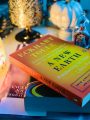 Book Review: The Power of Now by Eckhart Tolle — Summary & LessonsGeneral
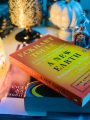 Book Review: The Power of Now by Eckhart Tolle — Summary & LessonsGeneral
 Book Review: The Power of Now by Eckhart Tolle – Summary & LessonsGeneral
 The Power of Now Review: Key Lessons on Presence & PeaceGeneral
 The Power of Now Review: Lessons & Summary for Spiritual SeekersGeneralThe Power of Now Review: Summary & Key Lessons by Eckhart TolleGeneralThe Biology of Belief Review: Lessons on Mind Over MatterGeneralThe Four Agreements Review: Key Lessons & Summary of a Timeless GuideGeneralThe Power of Now Review: Lessons on Presence & StillnessGeneralThe Biology of Belief Review: Summary, Lessons & Why It MattersGeneral
Sign in without leaving this document. You will return here automatically.

The Ultimate Masters
https://www.ultimatemasters.org
Subscribe for one year to access all your favourite downloads
500 / year
Unlimited downloads forever
Unlimited downloads
Subscribe for one to access hundreds of downloads.
50 / month
Subscribe quarterly/per term
75 / month
The Ultimate Masters
https://www.ultimatemasters.org
Continue directly to this store’s secure WooCommerce checkout.
Earn direct and team commission with personal links, campaign creatives, discount coupons and transparent reporting.
0 responses on "The Unseen Influence: How Book Reviews Shape Literary Landscapes and Reader Choices"