
Annual
Subscribe for one year to access all your favourite downloads
500 / year
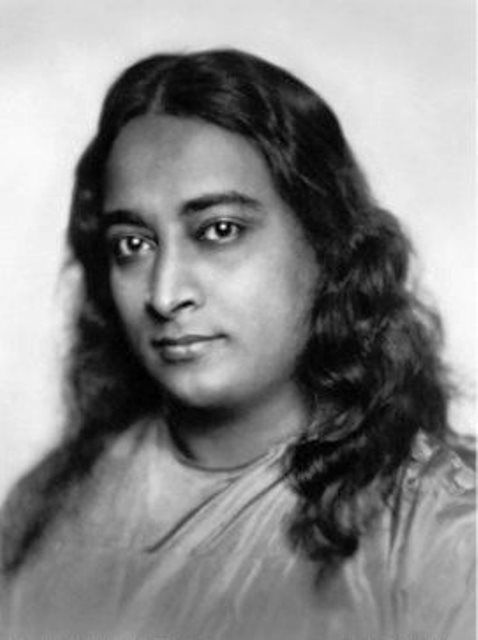

Paramahansa Yogananda did more than introduce Eastern philosophy to the West; he framed the pursuit of divinity as a methodical science. For a 20th-century audience grappling with materialism and skepticism, he presented ancient yoga not as a belief system, but as a set of practical techniques for achieving verifiable inner states. He positioned self-realization as an empirical journey, accessible to anyone willing to conduct the experiment within the laboratory of their own consciousness. This reframing of spirituality as a universal, results-oriented science is the cornerstone of his enduring global legacy.
Born Mukunda Lal Ghosh in Gorakhpur, India, on January 5, 1893, Yogananda’s early life was a relentless investigation into the nature of reality. His autobiography details not just a boy’s devotion, but a young scientist’s methodical search for a master—someone who had not just read the spiritual scriptures but had proven their truths through direct experience. He sought a guide who could teach him the ‘how’ behind divine communion. This quest, driven by an insatiable hunger for empirical spiritual knowledge, led him through encounters with numerous sages before his pivotal meeting in 1910 with his guru, Swami Sri Yukteswar Giri, a master who demanded discipline, wisdom, and rigorous application of spiritual principles.
Central to Yogananda’s scientific framework is Kriya Yoga, a specialized meditation technique he called the “airplane route” to God. He presented it as a form of psychophysiological engineering. The practice involves specific methods of breath and energy control (prana) that directly influence human consciousness. By regulating the flow of life force along the spine, a practitioner can systematically calm the nervous system and quiet the mental static that obscures one’s true divine nature. For instance, Yogananda explained that a single Kriya, taking less than a minute to complete, could yield a unit of spiritual progress equivalent to a year of natural evolution. It was a tool for accelerating one’s own spiritual development.
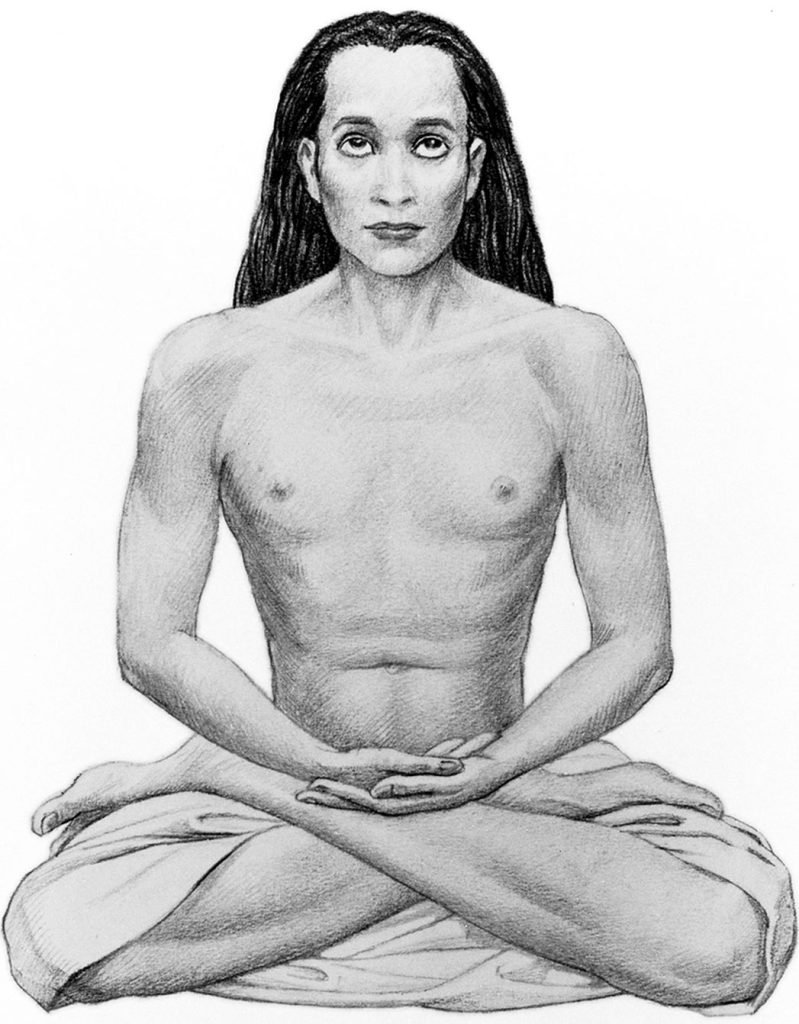
For those looking to take the next step, Become an Ultimate Master of your life is a resource worth exploring.
For those looking to take the next step, Heal your past, design your future is a resource worth exploring.
Arriving in America in 1920 for an International Congress of Religious Liberals in Boston, Yogananda recognized the need for a structured, accessible system to disseminate these teachings. He was not merely a speaker; he was an architect of a spiritual institution. He founded the Self-Realization Fellowship (SRF) to serve as the vehicle for his work, with its international headquarters later established in Los Angeles. Through SRF, he created a remarkable innovation for his time: comprehensive home-study lessons. This allowed individuals anywhere in the world to engage with the science of Kriya Yoga systematically, ensuring the integrity and consistency of the teachings without requiring the physical presence of the guru.
While his lectures reached thousands, his 1946 book, Autobiography of a Yogi, became his most powerful tool for global outreach. This text is far more than a memoir; it functions as a compelling scientific document. It presents case studies of saints and yogis who mastered the laws of the inner universe, demystifying concepts like karma and reincarnation. The book serves as both an inspiration and a manual, laying out the logical, cause-and-effect nature of the spiritual path. Its profound influence on figures like Apple co-founder Steve Jobs, who read it annually, highlights its appeal to minds seeking a rational, systematic approach to life’s deepest questions.
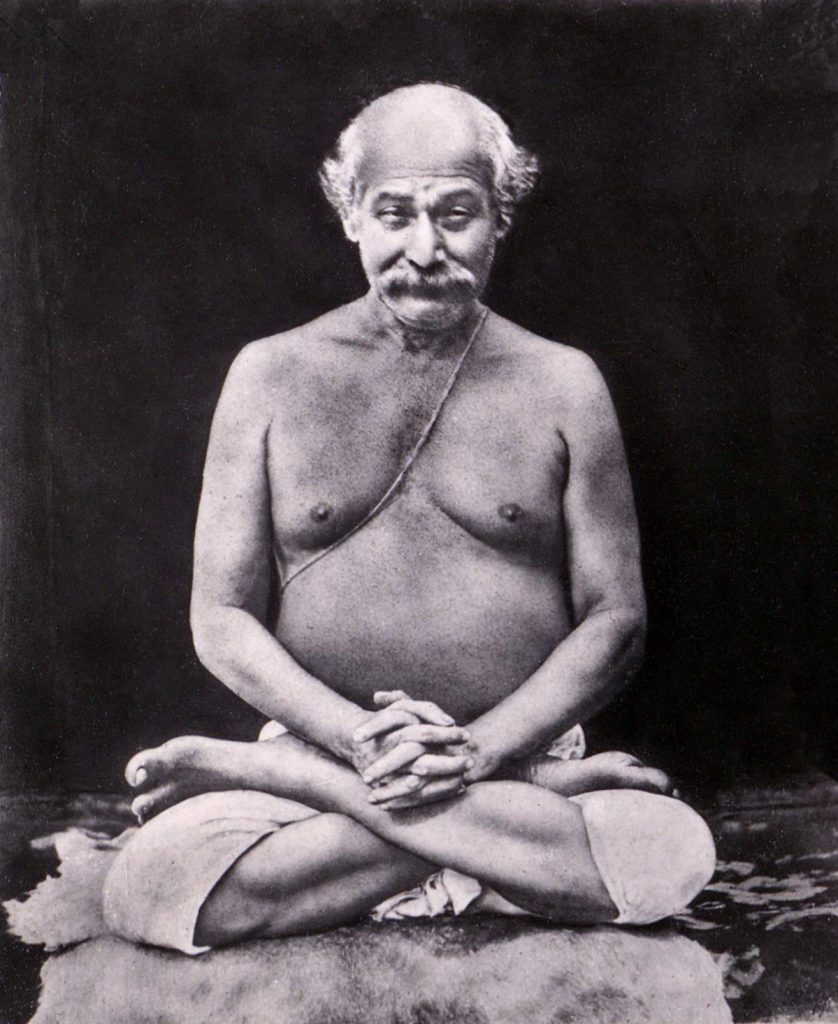
Until his conscious exit from his body (mahasamadhi) on March 7, 1952, Yogananda worked tirelessly to build a lasting framework for spiritual discovery. He is remembered not just as the “Father of Yoga in the West,” but as a master synthesizer who translated the esoteric language of Indian wisdom into a practical, scientific blueprint for modern humanity. His work established that the search for God was not a matter of dogma, but a replicable science of the soul.
 The Self-Help De-Influence Movement: Beyond Toxic PositivityGeneral
 Kryon: Ancient Prophecy & Humanity’s Next Evolutionary StepGeneral
 Kuthumi’s Message: Humanity’s Next Step in the Great AwakeningGeneral
 NDEs Predict a 2026 Consciousness Shift | Scott Taylor on NLSGeneral
 The 2026 Awakening: Humanity’s Next Evolutionary Leap ExplainedGeneral
 Leaked 2026 NDEs: A Glimpse of the Consciousness Shift?GeneralThe Self-Help De-Influence Movement: Beyond Toxic PositivityGeneral
Sign in without leaving this document. You will return here automatically.

The Ultimate Masters
https://www.ultimatemasters.org
Subscribe for one year to access all your favourite downloads
500 / year
Unlimited downloads forever
Unlimited downloads
Subscribe for one to access hundreds of downloads.
50 / month
Subscribe quarterly/per term
75 / month
The Ultimate Masters
https://www.ultimatemasters.org
Continue directly to this store’s secure WooCommerce checkout.
Earn direct and team commission with personal links, campaign creatives, discount coupons and transparent reporting.
0 responses on "Paramahansa Yogananda: Life, Kriya Yoga & Global Influence"