


Annual
Subscribe for one year to access all your favourite downloads
500 / year


In an age dominated by fleeting trends and instant opinions, the enduring power of the book review might seem surprising. Yet, in a sea of literary offerings, these critiques act as vital navigational tools, helping readers discover their next great adventure. The journey, however, has dramatically shifted from the familiar shores of print to the boundless expanse of the digital universe.
This shift presents a unique set of challenges. How do we ensure that thoughtful analysis isn’t drowned out by the noise of countless opinions? How can we navigate this vast landscape and discern genuine insights from mere promotional whispers? Let’s explore the evolving role of book reviews in this brave new world.
The internet has democratized literary discourse, empowering readers to become critics. Platforms like personal blogs, YouTube channels dedicated to book hauls, and vibrant online communities have emerged, fostering diverse conversations around literature. Imagine a student in rural Montana sharing their profound thoughts on a classic novel, sparking a discussion with readers across the globe. This level of accessibility has broadened the scope of literary criticism, giving voice to perspectives previously unheard.
While the democratization of reviews is a welcome phenomenon, we must acknowledge the subtle yet powerful influence of algorithms. These digital gatekeepers curate our reading experiences, often based on past preferences. Consider a reader who consistently enjoys fantasy novels; an algorithm might relentlessly recommend similar titles, potentially hindering their exploration of other genres like historical fiction or science fiction. To counteract this, actively seek out diverse voices and perspectives, venturing beyond the confines of your digital comfort zone. Explore independent book blogs, listen to podcasts featuring diverse literary voices, and challenge the algorithm’s assumptions about your tastes.
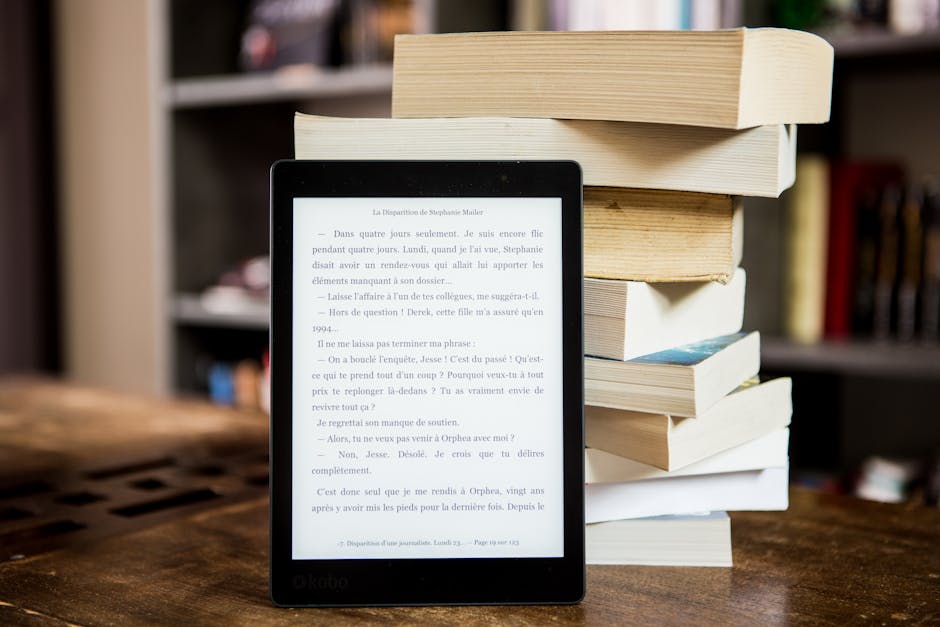
The future of book reviews likely resides in a synergistic blend of traditional expertise and digital accessibility. Imagine established literary critics leveraging social media to engage with readers in real-time discussions, while aspiring reviewers receive mentorship from seasoned professionals. This hybrid approach can foster a more informed and inclusive literary landscape, where diverse voices are amplified, and insightful analysis thrives. Think of it as a constellation, with each star representing a unique perspective, contributing to a richer understanding of the literary universe.
Social media platforms have transformed the way books are discovered, turning platforms like Instagram and TikTok into virtual literary salons. “Bookstagrammers” and “BookTokkers” create visually captivating content, sharing recommendations and reviews that resonate with their followers. A single viral video can catapult an unknown author to bestseller status, demonstrating the immense power of social media in shaping literary trends.
However, this influence also raises valid concerns. Are these bite-sized reviews sacrificing depth for aesthetics? Are sponsored posts masquerading as genuine opinions? It’s crucial to approach social media reviews with a critical eye, recognizing both their potential and their limitations. Remember the old adage: “Don’t judge a book by its cover,” and extend that to its BookTok review.
Here are some tips for navigating the often-turbulent waters of social media book reviews:

Despite the digital revolution, libraries remain vital hubs for literary exploration and community engagement. They offer access to a vast collection of books, both physical and digital, providing a sanctuary for readers of all ages and backgrounds. Libraries also host book clubs, author events, and workshops, fostering a sense of shared passion for literature.
Moreover, libraries are adapting to the digital age by offering online resources such as e-books, audiobooks, and databases of book reviews. They are also providing guidance and support to readers navigating the digital landscape, helping them to distinguish credible sources from misinformation. Think of libraries as lighthouses, guiding readers through the fog of information overload.
Librarians are invaluable resources, possessing a wealth of knowledge about literature and information literacy. They can provide personalized recommendations, help readers navigate online databases, and teach them how to evaluate the credibility of online sources. In a world saturated with information, librarians serve as trusted guides, empowering readers to become discerning consumers of knowledge and lifelong learners.
If you want a practical next step, you can also check out Heal your past, design your future.
If you want a practical next step, you can also check out Become an Ultimate Master of your life.

 Equinox Shift: A Channeled Guide to Global Consciousness ChangeGeneral
 Autumn Equinox: A Channeled Message for Humanity’s Great RebalancingGeneral
 The Great Awakening’s True Purpose | Sara Landon Channels The CouncilGeneral
 Channeled Predictions for the Next 20 Years with Lee HarrisGeneral
 Kuthumi’s 2027 Vision: How to Navigate Humanity’s Great ShiftGeneral
 Humanity’s 2026 Leap: A Channeled Message Breakdown & GuideGeneral
 Navigating the 2027 Shift: A Guide to Personal ConsciousnessGeneral
 The 2027 Shift: A Channeled Guide to Humanity’s Energetic ShiftGeneral
 Kuthumi’s 2027 Prophecy: Humanity’s Great Awakening (Video)General
 Navigating the 2027 Energetic Shift: Kuthumi’s Guide to What’s NextGeneralEquinox Shift: A Channeled Guide to Global Consciousness ChangeGeneralAutumn Equinox: A Channeled Message for Humanity’s Great RebalancingGeneralThe Great Awakening’s True Purpose | Sara Landon Channels The CouncilGeneralChanneled Predictions for the Next 20 Years with Lee HarrisGeneralKuthumi’s 2027 Vision: How to Navigate Humanity’s Great ShiftGeneral
Sign in without leaving this document. You will return here automatically.

The Ultimate Masters
https://www.ultimatemasters.org
Subscribe for one year to access all your favourite downloads
500 / year
Unlimited downloads forever
Unlimited downloads
Subscribe for one to access hundreds of downloads.
50 / month
Subscribe quarterly/per term
75 / month
The Ultimate Masters
https://www.ultimatemasters.org
Continue directly to this store’s secure WooCommerce checkout.
Earn direct and team commission with personal links, campaign creatives, discount coupons and transparent reporting.
0 responses on "The Evolving Landscape of Book Reviews: From Print to Pixels and Beyond"