



Annual
Subscribe for one year to access all your favourite downloads
500 / year

In the bustling world of literature, books constantly vie for attention. While positive reviews often take center stage, driving sales and boosting author reputations, negative reviews, though often dreaded, hold a surprising power. They provide crucial insights and foster a more discerning and engaged reading community.
Many readers are drawn to books that receive glowing praise, expecting an outstanding experience. However, an overwhelming amount of positive feedback can create an unrealistic picture, obscuring potential flaws. Critical reviews offer a different lens, enabling readers to make more informed decisions.
The value of critical feedback extends beyond simply guiding purchasing choices. For authors, negative reviews can be a goldmine of constructive criticism, pinpointing areas ripe for improvement in future works. While receiving negative feedback can sting, embracing it as an opportunity for growth can lead to significant artistic development. Imagine a sculptor who only receives praise; they might never refine their technique and see imperfections in their work.
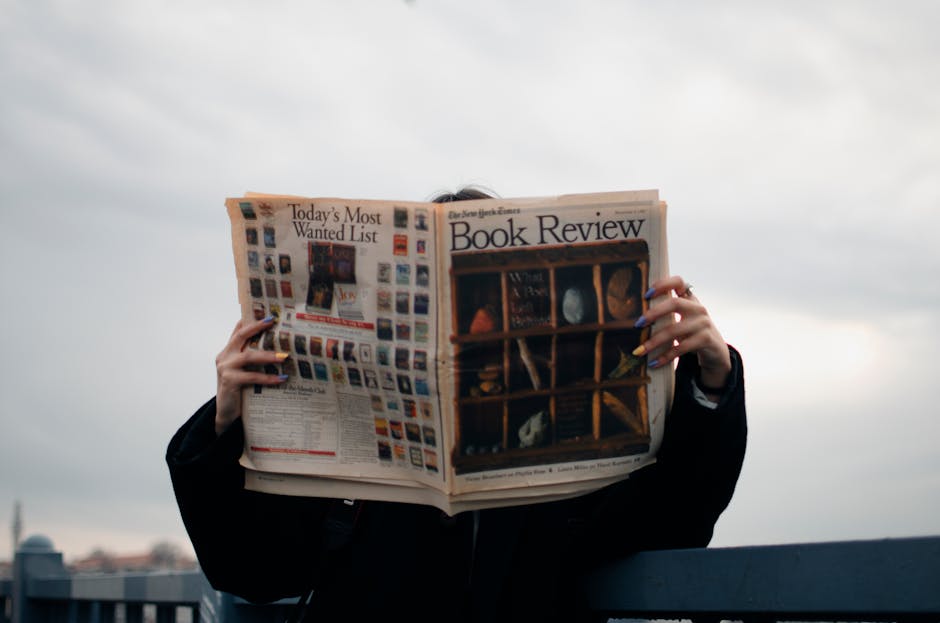
Furthermore, critical reviews nurture analytical thinking among readers. By considering diverse viewpoints, readers hone their ability to dissect texts more thoroughly, question conventional wisdom, and develop their own unique interpretations. This active involvement with literature enriches the reading experience and sparks intellectual curiosity. Think of it like a debate team; by analyzing opposing arguments, you strengthen your own understanding.
Not all negative reviews are created equal. A truly valuable negative review goes beyond mere dislike and offers specific, well-supported critiques. It focuses on elements such as plot holes, underdeveloped characters, pacing problems, or weaknesses in the writing style. The reviewer should provide concrete examples and explain how these elements detracted from their overall reading experience. For instance, instead of saying “the plot was confusing,” a useful review would point out a specific plot hole and explain why it didn’t make sense within the context of the story.
Receiving negative reviews can be a blow to authors, especially after pouring their heart and soul into their work. However, successful authors learn to view negative feedback as a chance to learn and grow. Here’s how authors can constructively approach critical reviews:
Ultimately, negative reviews can be a catalyst for improvement. By carefully considering the feedback, authors can identify weaknesses in their writing and develop strategies to address them in future works. This process of self-reflection and refinement is essential for continuous artistic growth. It’s like a chef receiving feedback on a dish; they can use that feedback to tweak the recipe and create an even better culinary experience.
Readers also play a vital role in fostering a healthy critical conversation around books. By engaging with reviews thoughtfully and respectfully, readers can contribute to a more informed and nuanced understanding of literature.
By embracing critical assessments, both authors and readers can contribute to a more vibrant and intellectually stimulating literary community. Negative reviews, when approached thoughtfully, can be a powerful force for growth, improvement, and a deeper appreciation of the art of storytelling. They are not roadblocks, but rather stepping stones on the path to literary excellence.
If you want a practical next step, you can also check out Heal your past, design your future.
If you want a practical next step, you can also check out Become an Ultimate Master of your life.

 Tim Ferriss & The Self-Improvement Trap: Is More Always Better?General
 The Self-Acceptance Protocol: Beyond Endless Self-ImprovementGeneral
 Beyond Bio-Hacking: The Science of Authentic Self-ImprovementGeneral
 Carl Jung: Life, Ideas & The Path to Spiritual WholenessGeneral
 Book Review: The Biology of Belief – Lipton’s Key LessonsGeneral
 Book Review: Breaking the Habit of Being Yourself by Dr. Joe DispenzaGeneralTim Ferriss & The Self-Improvement Trap: Is More Always Better?GeneralThe Self-Acceptance Protocol: Beyond Endless Self-ImprovementGeneral
Sign in without leaving this document. You will return here automatically.

The Ultimate Masters
https://www.ultimatemasters.org
Subscribe for one year to access all your favourite downloads
500 / year
Unlimited downloads forever
Unlimited downloads
Subscribe for one to access hundreds of downloads.
50 / month
Subscribe quarterly/per term
75 / month
The Ultimate Masters
https://www.ultimatemasters.org
Continue directly to this store’s secure WooCommerce checkout.
Earn direct and team commission with personal links, campaign creatives, discount coupons and transparent reporting.
0 responses on "The Unseen Power of Negative Book Reviews: Why Critical Feedback Matters"