



Annual
Subscribe for one year to access all your favourite downloads
500 / year
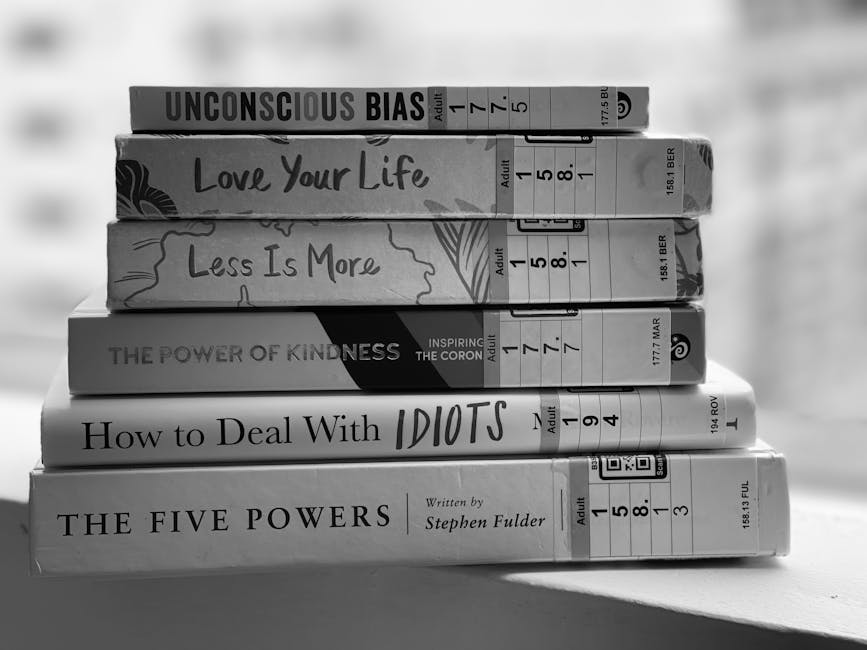

In a world saturated with glowing recommendations and five-star ratings, it’s easy to overlook the power of critical book assessments. We often seek validation in positive reviews, but what if the most insightful guidance comes from those who dare to disagree? Could critical reviews, often dismissed as negativity, actually be invaluable tools for readers and authors alike?
While positive reviews reassure us or introduce us to new titles, critical reviews challenge our assumptions and encourage deeper engagement. They prompt us to examine our own biases, consider alternative perspectives, and cultivate a more nuanced appreciation for literature and its impact.
The true value of a critical review lies not in its negativity, but in the rationale behind it. A well-crafted critical review goes beyond a simple thumbs-down. It dissects the book’s shortcomings, explores its internal inconsistencies, or questions its success in achieving its intended purpose. It analyzes the author’s logic, the characters’ motivations, and the overall effectiveness of the narrative. This detailed analysis empowers readers to determine if a book aligns with their personal preferences and values. Sometimes, understanding a book’s failures is just as important as celebrating its successes. For example, a review might criticize a historical fiction novel for anachronistic language, helping readers who value historical accuracy to make an informed choice.

For authors, critical reviews, though often painful to receive, represent invaluable opportunities for growth. They provide direct feedback from the intended audience, highlighting areas where the book fell short of expectations. Constructive criticism, even when stinging, can serve as a catalyst for refining their craft and producing stronger work in the future. Imagine an author learning from a review that their female characters lacked agency, prompting them to re-evaluate their portrayal of women in subsequent novels.
Critical reviews empower readers to make more discerning choices by offering perspectives often absent in positive endorsements. Consider these benefits:
While difficult to digest, critical reviews are a treasure trove of information for authors who are open to learning. Here’s how:
The key lies in approaching critical reviews with an open mind and a willingness to learn. Avoid knee-jerk reactions. Instead, analyze the reviewer’s points and identify recurring themes in the feedback. Are multiple reviewers raising the same concerns? If so, it likely indicates a genuine weakness that warrants attention.
Not all critical reviews are created equal. A truly insightful critical review provides specific criticisms supported by textual evidence. Steer clear of reviews that are purely personal attacks or based on superficial observations. Seek out reviews that engage with the book’s themes, characters, and writing style in a thoughtful and analytical manner.
Critical book assessments are not adversaries. They are valuable tools that empower both readers and authors. By embracing critical perspectives, we can all become more discerning consumers of literature and more effective creators of art. The next time you encounter a critical review, don’t dismiss it outright. Read it carefully, consider its arguments, and see what lessons you can glean. You might be surprised by the insights you uncover, and the growth it fosters.
If you want a practical next step, you can also check out Heal your past, design your future.
If you want a practical next step, you can also check out Become an Ultimate Master of your life.

 Equinox Shift: A Channeled Guide to Global Consciousness ChangeGeneral
 Autumn Equinox: A Channeled Message for Humanity’s Great RebalancingGeneral
 The Great Awakening’s True Purpose | Sara Landon Channels The CouncilGeneral
 Channeled Predictions for the Next 20 Years with Lee HarrisGeneral
 Kuthumi’s 2027 Vision: How to Navigate Humanity’s Great ShiftGeneral
 Humanity’s 2026 Leap: A Channeled Message Breakdown & GuideGeneral
 Navigating the 2027 Shift: A Guide to Personal ConsciousnessGeneral
 The 2027 Shift: A Channeled Guide to Humanity’s Energetic ShiftGeneral
 Kuthumi’s 2027 Prophecy: Humanity’s Great Awakening (Video)General
 Navigating the 2027 Energetic Shift: Kuthumi’s Guide to What’s NextGeneralEquinox Shift: A Channeled Guide to Global Consciousness ChangeGeneralAutumn Equinox: A Channeled Message for Humanity’s Great RebalancingGeneralThe Great Awakening’s True Purpose | Sara Landon Channels The CouncilGeneralChanneled Predictions for the Next 20 Years with Lee HarrisGeneralKuthumi’s 2027 Vision: How to Navigate Humanity’s Great ShiftGeneral
Sign in without leaving this document. You will return here automatically.

The Ultimate Masters
https://www.ultimatemasters.org
Subscribe for one year to access all your favourite downloads
500 / year
Unlimited downloads forever
Unlimited downloads
Subscribe for one to access hundreds of downloads.
50 / month
Subscribe quarterly/per term
75 / month
The Ultimate Masters
https://www.ultimatemasters.org
Continue directly to this store’s secure WooCommerce checkout.
Earn direct and team commission with personal links, campaign creatives, discount coupons and transparent reporting.
0 responses on "The Untapped Power of Negative Book Reviews: A Critical Perspective"