
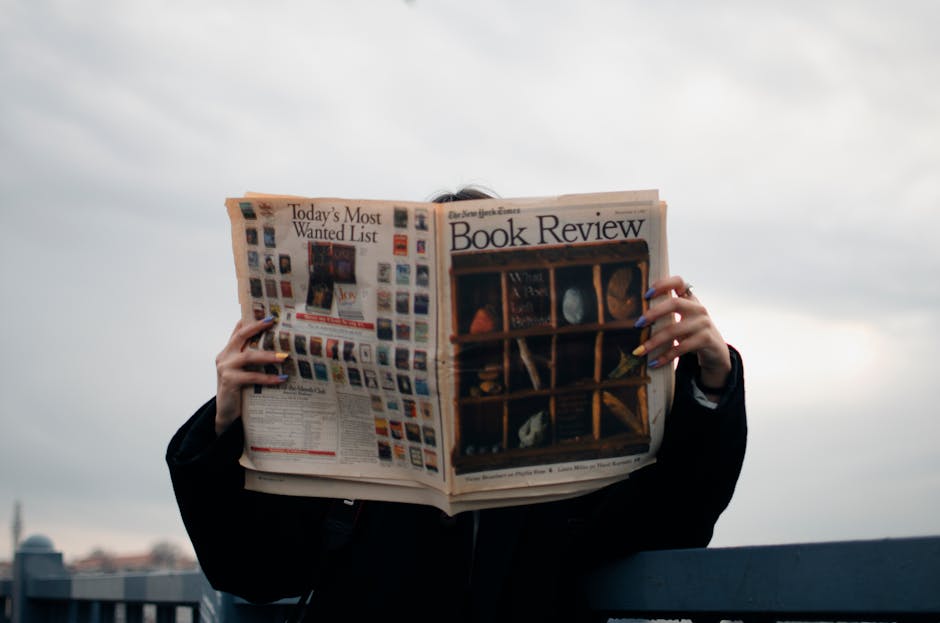

Beyond a Recommendation: Book Reviews as Cultural Cornerstones
We often see book reviews as simple buying guides, quick opinions to help us choose our next read. But what if they’re more than that? What if these critiques are actually powerful forces, shaping not just individual purchasing decisions, but the entire literary landscape and even our broader cultural understanding?
Book reviews are, in essence, the unsung architects of the literary world. They do far more than just recommend; they build reputations, influence trends, and even rewrite history by determining which stories are told, remembered, and celebrated.
The Gatekeepers: Selecting Stories for Posterity
Consider the sheer volume of books published each year. Without guidance, readers would be lost in a sea of titles. Book reviews act as vital filters, highlighting works deemed worthy of attention. This selection process is crucial in a world saturated with information.

For example, think of a small, independent novel that receives a glowing review in a major publication like the New York Review of Books. That single review can transform the author’s career, bringing their work to a much wider audience. Conversely, a dismissive review, even if unfair, can effectively bury a book, preventing it from reaching its potential readership. This power makes reviewers important figures in the ecosystem.
More Than Just Sales: Shaping Cultural Narratives
The influence of book reviews extends far beyond immediate sales figures. They play a significant role in establishing literary canons, solidifying cultural values, and shaping the very definition of what is considered ‘good’ literature. By consistently highlighting certain themes, styles, and perspectives, reviews subtly influence what we deem important and relevant.
The Danger of Groupthink: The Need for Diverse Voices
One must be aware of the potential for bias within book reviews. If the same perspectives are consistently amplified, it can lead to a skewed and limited representation of the literary world. Imagine a scenario where reviews consistently favor male authors writing about traditionally ‘masculine’ themes, effectively marginalizing female voices and diverse perspectives. To combat this, a wide range of reviewers and publications, representing diverse backgrounds and viewpoints, is essential to ensure a truly inclusive literary discourse.
The Digital Revolution: Reviews in the Age of the Internet
The internet has fundamentally changed how book reviews are created and consumed. Online platforms, blogs, and social media have democratized the process, allowing anyone to share their opinions. While this has broadened the scope of literary criticism, it has also introduced new challenges related to credibility, authenticity, and the spread of misinformation. Think of the impact of Goodreads, or BookTok, where amateur reviewers hold considerable sway.

The Critical Reader: Navigating the Online Maze
In today’s digital landscape, it’s crucial to approach online reviews with a critical eye. Consider the source: Is it a reputable publication with established editorial standards, or a random blog with unknown biases? Look for reviews that offer thoughtful analysis and evidence-based arguments, rather than simply expressing personal preferences. Developing a discerning eye will help you navigate the sea of online opinions and make informed decisions about what to read. For example, question reviews that are overly enthusiastic or overly negative without providing specific reasons for their opinions.
A Lasting Impact: The Enduring Power of Literary Criticism
Despite the challenges of the digital age, book reviews remain a vital part of the literary ecosystem. They connect authors and readers, stimulate dialogue, promote critical thinking, and ultimately enrich our understanding of the world. By engaging with book reviews thoughtfully, we can contribute to a more vibrant and inclusive literary culture. They remain a key component of how books are understood and remembered.
If you want a practical next step, you can also check out Heal your past, design your future.
If you want a practical next step, you can also check out Become an Ultimate Master of your life.

 The Power of Now Review: Lessons & Summary of Eckhart Tolle’s ClassicGeneral
 The Biology of Belief Review: Lipton’s Key Lessons & SummaryGeneral
 The Power of Now Book Review: Lessons from Eckhart TolleGeneral
 Book Review: The Power of Now — Summary, Lessons & Why It MattersGeneral
 Man’s Search for Meaning: Review, Summary & Key LessonsGeneral
 The Power of Now Review: Lessons & Summary of Tolle’s ClassicGeneral
 Book Review: The Power of Now by Eckhart Tolle — Summary & LessonsGeneral
 Book Review: The Power of Now by Eckhart Tolle — Summary & LessonsGeneral
 Biology of Belief Review: Lipton’s Lessons on Mind Over MatterGeneral
 Book Review: Breaking the Habit of Being Yourself by Joe DispenzaGeneral
- The Power of Now Review: Lessons & Summary of Eckhart Tolle’s ClassicGeneral
- The Biology of Belief Review: Lipton’s Key Lessons & SummaryGeneral
- The Power of Now Book Review: Lessons from Eckhart TolleGeneral
- Book Review: The Power of Now — Summary, Lessons & Why It MattersGeneral
- Man’s Search for Meaning: Review, Summary & Key LessonsGeneral




0 responses on "Beyond the Stars: A Deeper Look at How Book Reviews Shape Reality"