

Annual
Subscribe for one year to access all your favourite downloads
500 / year


In a world saturated with instant opinions and algorithmic recommendations, the humble book review might seem like a relic of the past. Yet, it persists as a crucial element in the literary ecosystem. It’s more than just a summary and a score; a well-crafted review acts as a compass, guiding readers through the vast and often overwhelming world of literature. This influence extends far beyond simple suggestions; book reviews can make or break an author’s career, influence publishing trends, and even reflect the broader cultural conversation. Let’s examine how these often-overlooked pieces of writing impact authors, readers, and the literary world at large.
Traditionally, book reviews were the domain of established critics writing for reputable publications. These individuals wielded significant power, their opinions often dictating a book’s success or failure. Think of figures like Michiko Kakutani at the *New York Times* – her pronouncements could launch or sink a title. While traditional reviews still hold sway, the internet has ushered in an era of broader participation. Platforms like Goodreads and personal blogs have empowered anyone with an opinion to share it, creating a diverse and multifaceted landscape of literary commentary.
This shift presents both opportunities and pitfalls. It amplifies diverse voices and allows readers to connect with perspectives outside the established critical circles. For example, a reader passionate about indie fantasy can now find and share reviews of niche titles that might never be covered by mainstream publications. However, this democratization also means sifting through a sea of opinions, some informed and insightful, others biased or poorly written. Learning to discern credible and valuable reviews from the noise is crucial for both readers and authors.

For authors, book reviews are a double-edged sword. Positive reviews can lead to increased sales, wider readership, and validation of their creative efforts. A glowing review in a major publication can be a career-defining moment. Conversely, negative reviews can be disheartening, particularly if they feel unfair or miss the mark. However, even critical feedback can be valuable if approached with an open mind. It can highlight weaknesses in the writing, reveal how readers are interpreting the work, and provide valuable insights for future projects.
The temptation to respond to reviews, especially negative ones, is strong. It’s natural to want to defend one’s work and correct perceived inaccuracies. However, engaging in arguments with reviewers is generally ill-advised. It can be seen as defensive and may even amplify the negative attention. Instead, authors are usually encouraged to focus on their craft and let their work speak for itself. Think of J.K. Rowling, who, despite facing criticism, continued to focus on writing the next Harry Potter installment.
Readers rely on book reviews to make informed choices in a vast and ever-growing literary marketplace. With countless new titles published each year, it’s impossible to read everything. Reviews act as filters, helping readers identify books that align with their interests and preferences. However, the sheer volume of reviews available online can be overwhelming. Readers need to develop strategies for evaluating the credibility and reliability of reviews.
Several factors can help readers determine the trustworthiness of a review. Start by considering the source. Reviews from established literary publications, reputable book bloggers, or critics with a known expertise in the genre are generally more reliable than anonymous reviews on retail websites. Look for reviews that offer specific examples and insightful analysis, rather than vague praise or criticism. Be wary of reviews that seem overly enthusiastic or excessively negative, as they may be biased or written by someone with a personal stake in the book’s success or failure.

Online book communities, such as Goodreads, BookTok, and various genre-specific forums, offer platforms for readers to share their opinions and recommendations. These communities can be valuable resources for discovering new books and connecting with like-minded readers. However, it’s essential to remember that these are subjective opinions, and what resonates with one person may not resonate with another. Use these communities as a starting point for exploration, but always read a variety of reviews from different sources before making a decision.
The landscape of book reviews is in constant flux. The rise of social media, the influence of algorithms, and the emergence of new platforms are continually reshaping how books are discovered and discussed. While the future is uncertain, one thing remains clear: book reviews will continue to play a vital role in shaping the literary landscape and influencing reader choices. The challenge for authors, readers, and critics alike is to navigate this evolving landscape in a way that promotes informed discussion, fosters a love of reading, and ensures that diverse voices are heard.
If you want a practical next step, you can also check out Heal your past, design your future.
If you want a practical next step, you can also check out Become an Ultimate Master of your life.

 Tim Ferriss & The Self-Improvement Trap: Is More Always Better?General
 The Self-Acceptance Protocol: Beyond Endless Self-ImprovementGeneral
 Beyond Bio-Hacking: The Science of Authentic Self-ImprovementGeneral
 Carl Jung: Life, Ideas & The Path to Spiritual WholenessGeneral
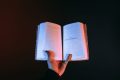 Book Review: The Biology of Belief – Lipton’s Key LessonsGeneral
 Book Review: Breaking the Habit of Being Yourself by Dr. Joe DispenzaGeneralTim Ferriss & The Self-Improvement Trap: Is More Always Better?GeneralThe Self-Acceptance Protocol: Beyond Endless Self-ImprovementGeneral
Sign in without leaving this document. You will return here automatically.
The Ultimate Masters
https://www.ultimatemasters.org
Subscribe for one year to access all your favourite downloads
500 / year
Unlimited downloads forever
Unlimited downloads
Subscribe for one to access hundreds of downloads.
50 / month
Subscribe quarterly/per term
75 / month
The Ultimate Masters
https://www.ultimatemasters.org
Continue directly to this store’s secure WooCommerce checkout.
Earn direct and team commission with personal links, campaign creatives, discount coupons and transparent reporting.
0 responses on "The Unseen Influence of Book Reviews: Shaping Literary Landscapes and Reader Choices"