


Beyond the Story: The Unexpected Benefits of Book Reviewing
We often think of reading as a solitary pleasure, a personal escape into another world. But what if that experience could be amplified, becoming a catalyst for personal growth and intellectual stimulation? The key lies in transforming from a passive reader to an active reviewer. Writing about books isn’t just about summarizing plots or offering opinions; it’s a powerful tool for self-discovery, critical thinking, and enhanced communication.
Cognitive Calisthenics: Strengthening Your Mental Muscles
Crafting a book review demands more than a superficial understanding. It requires you to dissect the narrative, analyze the author’s intent, and synthesize your own interpretation. This process sharpens your critical thinking skills, enabling you to identify nuances, challenge assumptions, and form well-reasoned arguments. For example, consider reviewing a complex historical fiction novel; you’d need to research the historical context, evaluate the author’s portrayal of events, and articulate your perspective on the story’s relevance to today’s world. This rigorous mental exercise translates into improved decision-making and problem-solving abilities in all aspects of life.
Mirror, Mirror: Reflecting on Self Through Literature
The act of reviewing a book can serve as a mirror, reflecting your own values, beliefs, and biases. As you engage with the characters, themes, and ideas presented in the text, you’re inevitably forced to confront your own perspectives. For instance, reading a novel about ethical dilemmas in business might prompt you to examine your own moral compass and consider how you would act in similar situations. This self-reflection fosters self-awareness, promotes personal growth, and allows you to better understand your place in the world. It’s like looking into a literary looking glass, revealing hidden facets of your own identity.

Connecting the Dots: Building Bridges Through Shared Reading Experiences
Book reviews are not just personal reflections; they are invitations to connect with others. By sharing your insights and interpretations, you initiate a dialogue, inviting readers to challenge your perspectives, broaden your understanding, and engage in meaningful conversations.
Expanding Horizons: Embracing Diverse Voices and Perspectives
Choosing to read and review books from diverse authors, cultures, and genres opens your mind to a wider range of perspectives. This exposure cultivates empathy, challenges preconceived notions, and fosters a deeper understanding of the human experience. Imagine reading a memoir by a refugee; the experience could provide invaluable insight into the challenges faced by displaced people and inspire you to become a more compassionate and informed global citizen. In an increasingly interconnected world, the ability to appreciate and understand diverse viewpoints is more crucial than ever.
The Writer’s Workshop: Honing Your Communication Skills
Writing book reviews provides invaluable practice in honing your writing and communication skills. You are compelled to articulate your thoughts clearly, concisely, and persuasively. You learn to structure your arguments logically, support your claims with textual evidence, and engage your audience through compelling prose. This process is akin to attending a writer’s workshop, where you refine your craft and develop the ability to express yourself effectively in any context. Whether you’re writing emails, giving presentations, or simply engaging in everyday conversations, the skills you develop through book reviewing will serve you well.
Actionable Advice: Crafting Compelling Book Reviews
Ready to embark on your book reviewing journey? Here are some practical tips to help you create impactful and engaging reviews:

- Engage Actively: Don’t passively consume the text. Annotate, highlight key passages, and formulate questions as you read.
- Structure Strategically: Begin with a concise summary, followed by your overall assessment. Then, delve into specific aspects that resonated with you, providing detailed analysis and supporting evidence.
- Support Your Assertions: Don’t simply state your opinion; substantiate it with concrete examples from the book. Use relevant quotes and explain their significance to your argument.
- Maintain Objectivity: Offer constructive criticism when necessary, but always strive to be fair and respectful in your assessment.
- Refine Your Work: Before publishing your review, meticulously proofread it for errors in grammar, spelling, and punctuation.
The Next Chapter: A Lifelong Pursuit of Knowledge and Growth
Writing book reviews is more than just a fleeting hobby; it’s a lifelong journey of continuous learning and self-improvement. It’s a pathway to intellectual stimulation, enhanced communication skills, and a deeper understanding of yourself and the world around you. So, grab a book, start reading, and unlock the transformative power of the written word.
If you want a practical next step, you can also check out Heal your past, design your future.
If you want a practical next step, you can also check out Become an Ultimate Master of your life.

 The Power of Now Review: Lessons & Summary of Eckhart Tolle’s ClassicGeneral
 The Biology of Belief Review: Lipton’s Key Lessons & SummaryGeneral
 The Power of Now Book Review: Lessons from Eckhart TolleGeneral
 Book Review: The Power of Now — Summary, Lessons & Why It MattersGeneral
 Man’s Search for Meaning: Review, Summary & Key LessonsGeneral
 The Power of Now Review: Lessons & Summary of Tolle’s ClassicGeneral
 Book Review: The Power of Now by Eckhart Tolle — Summary & LessonsGeneral
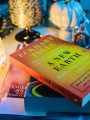 Book Review: The Power of Now by Eckhart Tolle — Summary & LessonsGeneral
 Biology of Belief Review: Lipton’s Lessons on Mind Over MatterGeneral
 Book Review: Breaking the Habit of Being Yourself by Joe DispenzaGeneral
- The Power of Now Review: Lessons & Summary of Eckhart Tolle’s ClassicGeneral
- The Biology of Belief Review: Lipton’s Key Lessons & SummaryGeneral
- The Power of Now Book Review: Lessons from Eckhart TolleGeneral
- Book Review: The Power of Now — Summary, Lessons & Why It MattersGeneral
- Man’s Search for Meaning: Review, Summary & Key LessonsGeneral



0 responses on "The Alchemy of Words: Transforming Your Life Through the Art of Writing Book Reviews"