


The Evolving Role of the Book Review
In an era saturated with information, the book review serves as a vital guide, helping readers navigate the vast world of literature. No longer confined to the pages of literary journals and newspapers, reviews now flourish on personal blogs, social media, and specialized online platforms. This abundance of opinions raises a crucial question: how can we effectively sift through this sea of reviews to identify those that are insightful, trustworthy, and truly helpful in our reading choices?
The digital age has ushered in a new era of democratized criticism. Anyone with an internet connection can now share their thoughts on a book, blurring the lines between professional critics and casual readers. While this inclusivity offers clear advantages, it also presents challenges. The sheer volume of reviews can be overwhelming, and the quality varies widely. Discerning well-reasoned, insightful evaluations requires careful evaluation and a strategic approach.
Beyond ‘Thumbs Up’ or ‘Thumbs Down’: Understanding Review Depth
A truly effective book review goes beyond simply summarizing the plot or expressing personal feelings. It delves into the author’s intentions, assesses the effectiveness of their writing techniques, and examines the book’s overall impact. It provides context, exploring the work’s themes, style, and structure. A superior review also situates the book within the broader literary context, comparing it to similar works and evaluating its contribution to the genre. Consider, for example, a review of Madeline Miller’s “Circe.” A superficial review might simply praise the engaging story. A deeper review would analyze Miller’s use of language to create a compelling protagonist, her reimagining of Greek mythology, and the book’s exploration of themes like identity and free will.

For readers, a thoughtful review offers an invaluable tool for making informed reading decisions. It can also enhance their understanding and appreciation of the books they choose to read.
Identifying Reliable Voices
With the proliferation of online reviews, it’s essential to distinguish credible sources. When evaluating a review’s reliability, consider the following:
- Reviewer Credentials: Does the reviewer possess expertise in the book’s genre or subject matter? Do they have a track record of writing thoughtful, well-supported reviews? For example, a review of a scientific textbook by a physicist would likely carry more weight than a review by someone with no scientific background.
- Balanced Perspective: Does the review offer a balanced assessment, acknowledging both the book’s strengths and weaknesses? Be wary of reviews that are excessively enthusiastic or overly negative.
- Supporting Evidence: Does the reviewer substantiate their claims with specific examples from the book? A strong review will move beyond subjective opinions and provide concrete evidence to support its arguments. For instance, instead of simply stating that a book is poorly written, a good review would point to specific examples of awkward phrasing or grammatical errors.
- Clarity and Coherence: Is the review well-written and easy to follow? A clear and concise writing style indicates that the reviewer has carefully considered their thoughts and arguments.
Exploring Different Review Platforms
Different platforms offer varying review styles and perspectives:
- Established Publications: Reputable literary magazines and newspapers typically feature reviews written by professional critics, offering in-depth analyses of new releases.
- Specialized Book Blogs: Book blogs can provide a more personal and accessible perspective on books. Seek out blogs with a clearly defined focus and a consistent history of high-quality reviews.
- Community Review Sites: Platforms like Goodreads and Amazon offer a diverse range of reviews from both professional critics and everyday readers. It’s crucial to read multiple reviews and consider the reviewer’s background before forming an opinion.
The Future Landscape of Book Reviews
The future of book reviews is likely to involve increased personalization and interactivity. Algorithms may be used to recommend reviews based on individual reading preferences, and online platforms may facilitate discussions between readers and reviewers. Imagine a future where you can instantly access reviews tailored to your specific tastes, or engage in direct conversations with reviewers to delve deeper into their analysis. Despite these technological advancements, the fundamental principles of insightful, well-supported criticism will remain crucial for guiding readers through the ever-expanding world of literature.

If you want a practical next step, you can also check out Heal your past, design your future.
If you want a practical next step, you can also check out Become an Ultimate Master of your life.

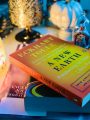 The Power of Now Review: Lessons & Summary of Eckhart Tolle’s ClassicGeneral
 The Biology of Belief Review: Lipton’s Key Lessons & SummaryGeneral
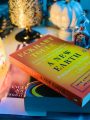 The Power of Now Book Review: Lessons from Eckhart TolleGeneral
 Book Review: The Power of Now — Summary, Lessons & Why It MattersGeneral
 Man’s Search for Meaning: Review, Summary & Key LessonsGeneral
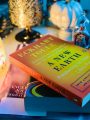 The Power of Now Review: Lessons & Summary of Tolle’s ClassicGeneral
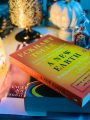 Book Review: The Power of Now by Eckhart Tolle — Summary & LessonsGeneral
 Book Review: The Power of Now by Eckhart Tolle — Summary & LessonsGeneral
 Biology of Belief Review: Lipton’s Lessons on Mind Over MatterGeneral
 Book Review: Breaking the Habit of Being Yourself by Joe DispenzaGeneral
- The Power of Now Review: Lessons & Summary of Eckhart Tolle’s ClassicGeneral
- The Biology of Belief Review: Lipton’s Key Lessons & SummaryGeneral
- The Power of Now Book Review: Lessons from Eckhart TolleGeneral
- Book Review: The Power of Now — Summary, Lessons & Why It MattersGeneral
- Man’s Search for Meaning: Review, Summary & Key LessonsGeneral




0 responses on "Beyond the Stars: Navigating the Universe of Book Reviews"